Embracing Change How the Shifting Seasons Mirror Our Life Journeys
- Heidi Christine

- Jan 23
- 4 min read
Change is a constant in life, yet it often feels unsettling or challenging. One of the most natural ways we experience change is through the shifting seasons. Each season brings its own rhythm, mood, and lessons that reflect the phases we go through in our personal journeys. By observing and embracing these seasonal cycles, we can better understand and navigate the transformations in our own lives.
Spring: The Season of New Beginnings
Spring symbolizes rebirth and fresh starts. After the cold, dormant winter months, nature awakens with vibrant colors, blooming flowers, and longer daylight. This season encourages growth, renewal, and optimism.
Personal Growth: Like seeds sprouting in spring, we often experience moments in life when new ideas, goals, or relationships begin to take root. This is a time to plant intentions and nurture them with care.
Energy and Motivation: The increasing sunlight boosts energy levels, inspiring us to take action and pursue projects we may have postponed.
Overcoming Challenges: Just as plants push through the soil, spring reminds us that growth requires effort and patience.
For example, many people start new routines or hobbies in spring, such as gardening or fitness programs, reflecting a desire to refresh their lives. This season invites us to embrace change with hope and enthusiasm.
Summer: The Season of Abundance and Vitality
Summer represents the peak of growth and activity. Days are long and warm, filled with sunlight and energy. This season mirrors times in life when we feel confident, productive, and connected.
Enjoying the Present: Summer encourages us to savor the fruits of our labor, whether that means spending time with loved ones or celebrating achievements.
Building Relationships: Social gatherings and outdoor activities flourish, reminding us of the importance of community and connection.
Pursuing Passions: The vibrant energy of summer supports creativity and exploration.
Consider how summer vacations or festivals bring people together, creating memories and strengthening bonds. This season teaches us to embrace joy and abundance while staying grounded in the present moment.
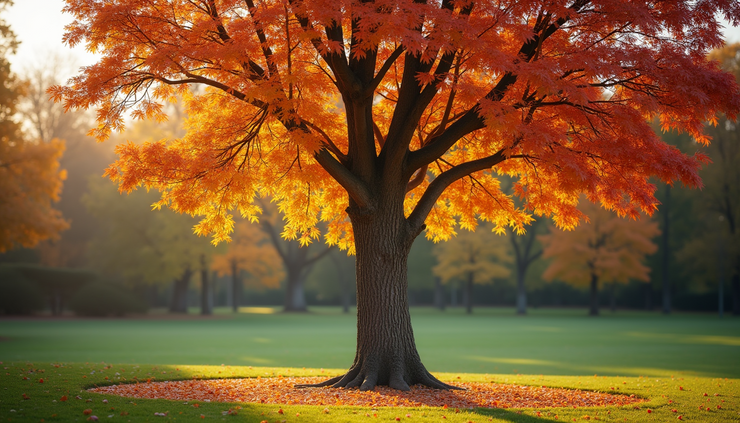
Autumn: The Season of Reflection and Transition
Autumn marks a shift from the intensity of summer to a quieter, more introspective time. Leaves change color and fall, signaling the end of a growth cycle and preparation for rest.
Letting Go: Just as trees shed leaves, autumn invites us to release what no longer serves us—old habits, relationships, or beliefs.
Gratitude and Harvest: This season encourages appreciation for what we have cultivated, recognizing achievements and lessons learned.
Preparing for Change: The cooling temperatures and shorter days remind us to slow down and get ready for the next phase.
Many people experience autumn as a time of personal reflection, making decisions about future directions. For example, students returning to school or professionals planning year-end goals often feel this seasonal shift keenly.
Winter: The Season of Rest and Renewal
Winter is a time of rest, stillness, and inward focus. Nature slows down, conserving energy beneath the surface, preparing for the next cycle of growth.
Rest and Recovery: Winter teaches the importance of slowing down and allowing ourselves to recharge physically and mentally.
Introspection: The quiet and darkness encourage self-reflection, helping us gain clarity and insight.
Hope for Renewal: Though the landscape may seem barren, winter holds the promise of spring and new beginnings.
In life, winter phases might include periods of challenge, loss, or uncertainty. These times can feel difficult but are essential for deep healing and transformation. For example, after a major life event, people often need time to process and rebuild.
How to Embrace Life’s Seasonal Changes
Recognizing the parallels between the seasons and our life journeys can help us approach change with more ease and acceptance. Here are some practical ways to align with these natural rhythms:
Observe and Reflect: Take time to notice the season you are in personally. What feels like growth, harvest, or rest? Journaling or mindfulness practices can support this awareness.
Adapt Your Routine: Adjust your habits to match the season’s energy. For example, focus on planning and starting new projects in spring, enjoy social activities in summer, reflect and declutter in autumn, and prioritize rest in winter.
Practice Letting Go: Use autumn as a reminder to release what holds you back. This might mean setting boundaries, forgiving, or simplifying your life.
Honor Rest: Don’t rush through winter phases. Allow yourself to slow down and recharge without guilt.
Celebrate Transitions: Mark seasonal changes with rituals or celebrations to acknowledge your personal growth and shifts.
Real-Life Examples of Seasonal Change in Action
A writer might find inspiration and new ideas in spring, produce their best work during summer, revise and edit in autumn, and take a break in winter.
A gardener plans and plants in spring, tends and harvests in summer, clears and prepares the soil in autumn, and rests during winter.
A person recovering from a difficult experience may go through a winter phase of healing, gradually move into spring with renewed hope, and eventually bloom into a new chapter.
These examples show how embracing the natural flow of seasons can support resilience and growth.
Final Thoughts on Embracing Change
The shifting seasons offer a powerful metaphor for the changes we face in life. By tuning into these cycles, we can find guidance and comfort in knowing that change is natural and necessary. Each season has its purpose, whether it is to grow, enjoy, release, or rest.
When you embrace the rhythms of the seasons, you learn to move with life’s flow instead of resisting it. This mindset helps you face challenges with strength and welcome new opportunities with openness.
Advancing Forward Together,
Heidi Christine